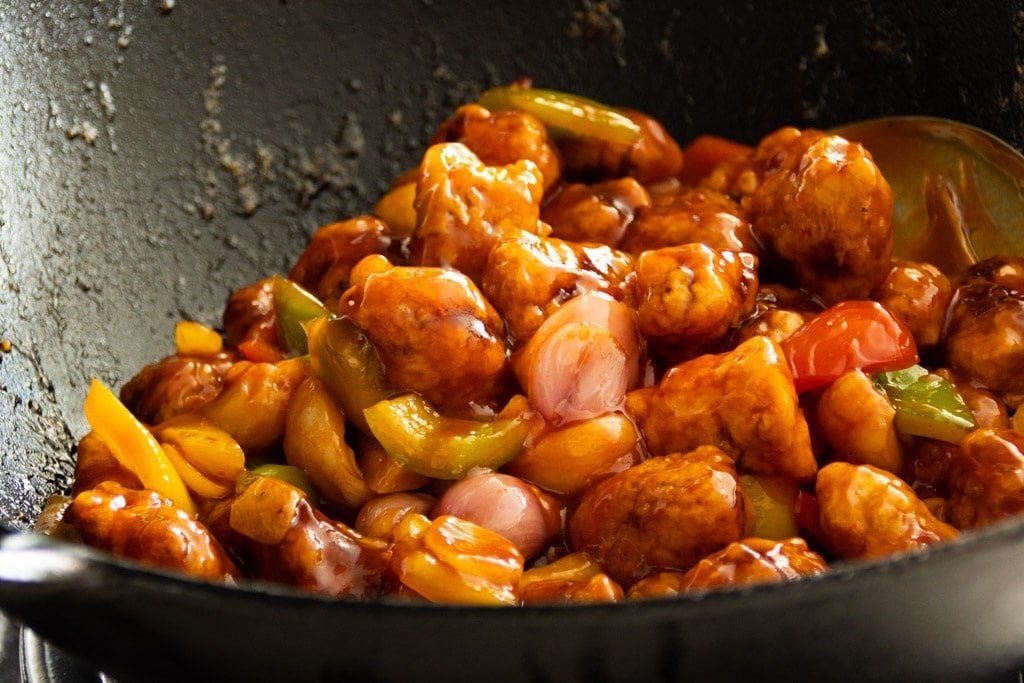
Make Crispy Sweet and Sour Pork Better Than Takeout in 30 Minutes
Are you tired of lackluster takeout that promises crispy sweet and sour pork but delivers a soggy disappointment? What if we told you that the secret to a truly authentic, incredibly crispy, and perfectly balanced sweet and sour pork isn't hiding in a restaurant kitchen, but can be whipped up in your own home in under 30 minutes? Get ready to transform your weeknight meals, because we're about to unveil a generations-old family recipe that will change the way you think about this beloved Chinese classic. Forget everything you thought you knew; this isn't just *sweet and sour pork* – this is the ultimate, crispy, tender, and tangy experience that will have everyone asking for seconds.
Our journey begins with a cherished family tradition, passed down through generations. The secret to this superior sweet and sour pork, as shared by one husband's Chinese grandmother, lies in a simple yet profound ingredient: apple cider vinegar. This isn't just about recreating a dish; it's about elevating it, infusing it with a depth of flavor and an authentic tang that takeout simply can't match.
The Secret to Unforgettable Sweet and Sour Pork: Apple Cider Vinegar
The cornerstone of any great sweet and sour dish is, naturally, its sauce. While many recipes opt for generic white vinegar, this traditional method highlights the use of
apple cider vinegar, and the difference is truly transformative. Apple cider vinegar brings a nuanced, fruity tang that white vinegar simply lacks. It adds a layer of complexity and a slightly sweeter aroma, contributing to a more rounded and authentic flavor profile that truly sets this sweet and sour pork apart. It's this unique ingredient that helps achieve that ideal sweet-sour balance, a delicate interplay that home cooks consistently praise for its perfection and ease of adjustment. As Allrecipes member Michele B raves, "This is a winning recipe," and much of that acclaim points directly to the sauce's exceptional character.
This family-secret ingredient not only enhances the flavor but also adds to the perceived freshness of the dish, cutting through the richness of the fried pork and creating a brighter, more vibrant finish. If you're eager to dive deeper into the heritage and technique behind this special ingredient, explore how it contributes to the unparalleled taste in
Gramma's Secret: Authentic Sweet and Sour Pork with Apple Cider Vinegar.
Achieving Takeout-Quality Crispiness and Tenderness in Every Bite
The allure of
sweet and sour pork lies not only in its tantalizing sauce but also in the irresistible texture of the pork itself: wonderfully crispy on the outside, yet incredibly tender and juicy within. Achieving this perfect duality is crucial, and it’s surprisingly straightforward with the right techniques.
Let's start with the star of the show: the pork. For this recipe, we recommend using
pork butt (also known as pork shoulder), cut into 1-inch cubes. This cut is ideal because its higher fat content makes it incredibly forgiving and ensures the pork remains succulent and tender even after frying. You want that melt-in-your-mouth texture, and pork butt consistently delivers.
Next comes a crucial step known as
velveting, a classic Chinese technique that tenderizes the meat and prepares it for its crispy coating. The pork cubes are marinated with a simple yet effective blend of
soy sauce for umami depth, a touch of
salt and
sugar to season and enhance flavor, and critically, an
egg white. The egg white acts as a binder, helping the cornstarch adhere evenly and contributing to the pork's tender texture when cooked. A handful of chopped
green onions in the marinade adds a subtle aromatic layer. While the recipe suggests marinating for at least an hour, even 30 minutes will start the tenderizing process if you're truly short on time, making that 30-minute cooking goal more achievable.
The secret to that signature golden, crunchy exterior isn't flour; it's
cornstarch. Cornstarch creates an incredibly light and crispy coating that withstands the sauce, ensuring your pork stays delightfully crunchy. After marinating, the pork cubes are generously coated in dry cornstarch, forming a uniform layer ready for frying.
When it comes to frying, temperature is key. Heat 1 quart of vegetable oil in a large, heavy saucepan or deep fryer to precisely
365°F (185°C). This temperature is crucial for achieving rapid browning and crispiness without overcooking the pork. Fry the cornstarch-coated pork in batches if necessary, until it's evenly golden brown and crisp, usually around 10 minutes. Drain the fried pork on paper towels to remove excess oil and set it aside, reserving its crispiness for the final dish. For more detailed insights into mastering the perfect crispy texture every time, check out
Homemade Sweet and Sour Pork: Perfecting Crispy Texture & Tangy Sauce.
Crafting the Perfect Tangy-Sweet Sauce and Vibrant Veggies
With your perfectly crispy pork standing by, it’s time to bring the vibrant flavors of the sauce and fresh vegetables together. This is where the magic truly happens, transforming simple ingredients into a symphony of taste and texture.
The sauce, as mentioned, is the heart of this
sweet and sour pork. In a large saucepan, combine 1 cup of water, ¾ cup of white sugar (feel free to adjust to your sweetness preference), ⅓ cup of that crucial
apple cider vinegar, ¼ cup of
ketchup for body and color, ½ teaspoon of soy sauce for depth, and ¼ teaspoon of salt. Bring this mixture to a rolling boil over high heat, allowing the flavors to meld and the sugar to dissolve completely.
While the sauce is simmering, your vegetables add freshness, color, and a satisfying crunch. In a wok or large skillet, heat 1 tablespoon of vegetable oil over medium heat. Add 3 stalks of celery cut into ½-inch pieces, 1 medium green bell pepper cut into 1-inch pieces, and 1 medium onion cut into wedges. Stir-fry these until they are tender-crisp, typically about 5 minutes. Season lightly with a pinch of white sugar and salt to enhance their natural sweetness and flavor. Remove the vegetables from the heat and set them aside.
Once your sauce has come to a boil, it's time to bring all the elements together. Stir the cooked pork, the stir-fried celery mixture, and the entire 8-ounce can of
pineapple chunks (undrained) into the boiling sauce. The pineapple juice contributes extra sweetness and acidity, enhancing the overall flavor profile. Return the mixture to a boil.
Finally, to achieve that luscious, glossy texture characteristic of great
sweet and sour pork, you'll create a cornstarch slurry. In a separate small bowl, mix the remaining ¼ cup of water with 2 tablespoons of cornstarch until smooth. Gradually stir this slurry into the boiling pork and vegetable mixture. Continue to cook, stirring constantly, for about 2 minutes, or until the sauce has thickened and is warmed through. It will transform into a beautiful, glistening coating that perfectly clings to every piece of pork and vegetable.
Mastering the 30-Minute Magic: Tips for Efficiency
The promise of making this incredible sweet and sour pork in 30 minutes might seem ambitious, especially with steps like marinating and frying. However, with a little planning and smart multi-tasking, it's absolutely achievable for active cooking time.
1.
Mise en Place is Your Best Friend: Before you even think about turning on the stove, gather and prep *all* your ingredients. Cube the pork, chop the green onions, measure out your marinade ingredients, cut all your vegetables, and pre-mix your sauce components (except the final cornstarch slurry). This organization is key to a smooth, quick cooking process.
2.
Parallel Processing: Don't wait for one step to finish completely before starting the next.
* While the pork is marinating (even if just for 15-20 minutes to start), you can begin heating your frying oil.
* While the pork is frying, you can start chopping your vegetables.
* As the vegetables are stir-frying, combine your sauce ingredients and bring them to a boil.
3.
High Heat, Quick Cook: Utilizing a wok or a large, heavy skillet for the vegetables ensures they cook quickly and maintain a tender-crisp texture. Keep the heat medium-high.
4.
Short Marination: While 1 hour is ideal for maximum tenderness, for a 30-minute *cook time*, you can shorten the marination to 15-20 minutes while you prep other items. The egg white and cornstarch coating will still protect and tenderize the pork sufficiently for a delicious result. If you truly want to hit a 30-minute total from start to finish, prep your ingredients (especially the marinade and chopped veggies) an hour or two in advance.
5.
Undrained Pineapple: Don't drain the canned pineapple. The juice is an integral part of the sauce, adding natural sweetness and acidity, and saves you a step!
By following these tips, you can efficiently move through the cooking steps, minimizing downtime and truly enjoying a homemade sweet and sour pork that’s faster, fresher, and far superior to any takeout option. Plus, making it at home is generally more budget-friendly and allows you to control the ingredients for a healthier meal.
Ready to Ditch the Takeout Menu?
There you have it – the ultimate guide to creating crispy, tender, and intensely flavorful sweet and sour pork, inspired by a beloved family recipe and elevated by the unique tang of apple cider vinegar. This isn't just another dinner recipe; it's a culinary journey that brings authentic flavors and restaurant-quality results right to your kitchen table in a surprisingly short amount of time. Say goodbye to soggy pork and unbalanced sauces, and hello to a dish that promises to become a regular in your rotation. So, gather your ingredients, follow these steps, and prepare to impress your family and friends with sweet and sour pork that truly is better than takeout. Your taste buds will thank you!